
Your data agents need context.

The first wave of enterprise data agents proved something important: better models are not enough. Without grounded business definitions, trusted sources of truth, and living organizational context, agents hit a wall.


The market learned this the hard way

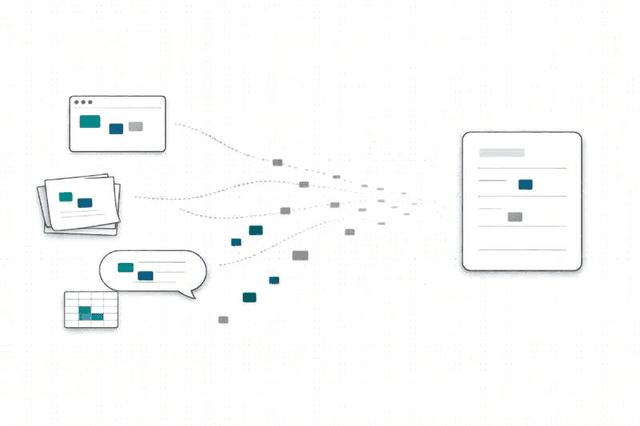
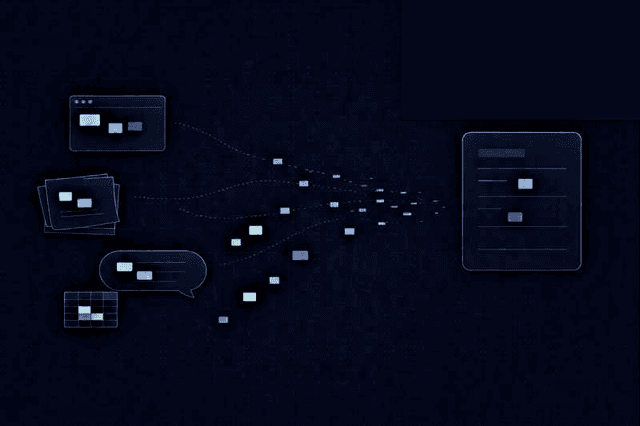
Organizations spent the last decade consolidating data, then raced to deploy agents on top of it. The promise was natural-language analytics and autonomous decision support. The result was often brittle workflows and shallow answers.
The modern data stack changed the base layer
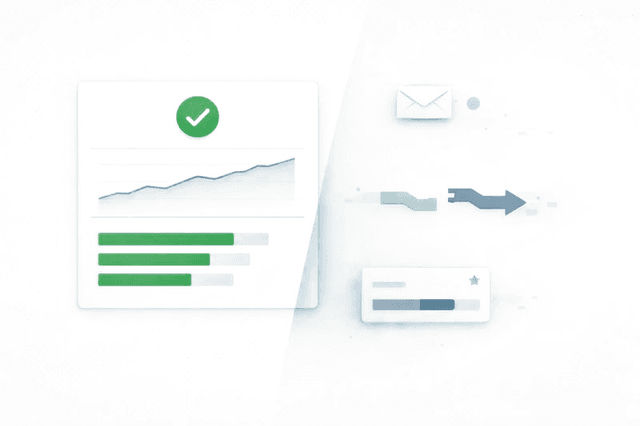
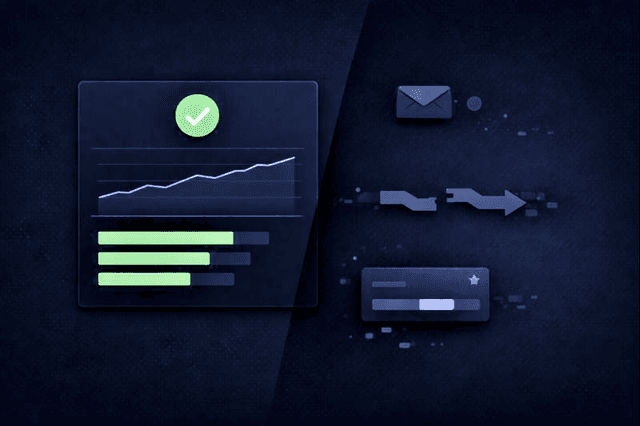
Warehouses, transformations, and semantic cleanup made enterprise data more accessible than it used to be, but never fully tidy.
The agent frenzy exposed the next gap
As soon as teams tried to build chat-with-your-data systems, they found out quickly that access to tables is not the same as access to meaning.
The wall was contextual, not just model quality
Agents struggled because the organization had not packaged the real business logic, tribal knowledge, and system boundaries they needed.

The problem goes beyond text-to-SQL

A deceptively simple question like 'What was revenue growth last quarter?' still requires definitions, fiscal conventions, trusted data products, and historical caveats that rarely live in one clean place.

Business definitions are not self-evident
Revenue, growth, quarter, customer, active account: these are organizational concepts, not just column names.
Source-of-truth is conditional
Different teams trust different tables, views, tools, and time windows depending on the question, region, and reporting context.
Tribal knowledge still closes the gap
The final answer often depends on instructions that only live in people, Slack threads, or half-maintained semantic files.

That is why the context layer matters

The opportunity is not just a better BI interface. It is a living layer that helps agents reason across enterprise systems with canonical entities, governance rules, operating instructions, and continuously updated context.

More than a semantic layer
Metric definitions matter, but autonomous agents also need identity resolution, workflow rules, exceptions, and human guidance.
Context construction is hybrid
Some of the context can be inferred from query history, dbt, LookML, docs, and usage patterns. Some of the most important pieces still need human refinement.
The system has to keep learning
As enterprise systems change, corrections, new data sources, and updated instructions need to flow back into the context layer in real time.

This is an infrastructure thesis.

AgentsNeedContext is being repositioned around the context layer behind enterprise data agents: how it gets built, how it stays current, and where the market is heading.

© 2026 AgentsNeedContext. All rights reserved.

AgentsNeedContext content and diagnostic outputs are for informational purposes to help you evaluate options and prioritize next steps. We do not sell your personal data. Review our privacy policy.

Questions: hello@agentsneedcontext.com